The Stub Stays With You: Cloakroom Confidence for Bold UK Nights in 2026
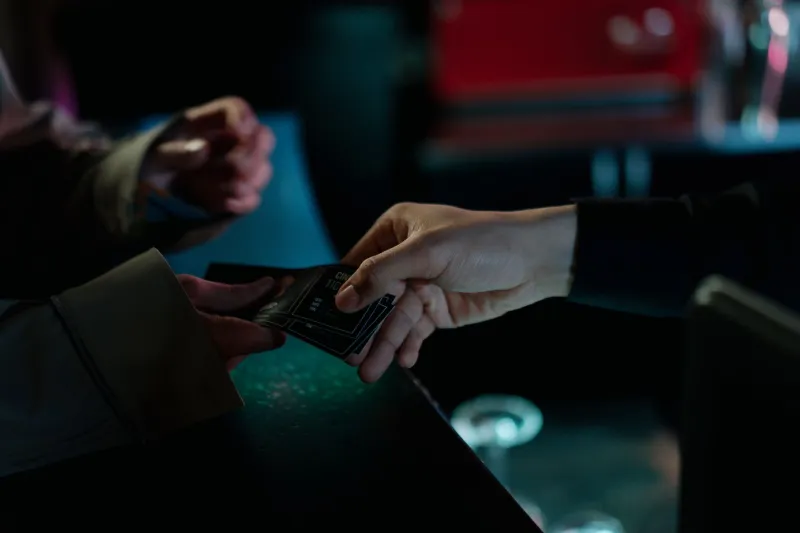
You’re through the door, the cold has finally left your shoulders, and the night is doing that delicious little hum. Then comes the cloakroom: the queue, the rail, the laminated sign about tokens. It should be simple. Hand over the coat, take the ticket, go and be glamorous. And most of the time it is. But now and then, the cloakroom turns into a strange little theatre of entitlement — someone using the handover as an excuse for a grope, a date treating your ticket like a loyalty card, a stranger offering to ‘sort you out’ in a way that feels less helpful and more like a transaction you never agreed to.
So let’s be clear about the 2026 cloakroom code: it is a handover, not a cheque book. Nobody is buying access to your body, your bag or your night with a £2 tip or a helpful smile. Bold dressing deserves bold boundaries, and the coat check is one of the easiest places to practise both.
The cloakroom is a handover, not a hassle
A cloakroom is a practical service. You give an item, you get a ticket, you collect the item later. That’s it. It is not a personality test, a flirt-off, or a chance for someone to prove they’re ‘good with your things’ while quietly helping themselves to your personal space.
If the staff are friendly, lovely. If they ask whether you want your bag hung or kept with you, brilliant. If they point out that the token machine only takes cards, useful. The moment anyone reaches into your coat pockets, adjusts your dress without asking, or uses the queue to press up against you, the vibe has changed. You are allowed to notice that and you are allowed to say something.
The cloakroom is also not the place to be performatively chill. You don’t have to prove you’re easy-going by letting a stranger take charge of your belongings or your body. Hand over the coat. Keep the authority.
Your ticket is a tiny contract
That little stub is not a piece of confetti. It is a receipt for your stuff and a reminder that the item comes back to you, and only you. Put it somewhere you’ll actually find it: phone case, zip pocket, the tiny compartment in your bag that isn’t full of lip gloss and emergency plasters.
If someone offers to hold your ticket for you — a date, a friend, a very keen stranger — you can say: ‘Thanks, but I’ve got it.’ No apology needed. A partner who respects you won’t sulk about a piece of card. A stranger who does has just told you something useful.
And if someone tries to collect your coat for you without asking? ‘I’ll get it myself, thanks.’ If they push: ‘I said I’ve got it.’ You don’t owe anyone a softer version of your no.
Queue politics and flirty banter
A queue is not a dating app. It is a line of people waiting to hand over coats, bags and the occasional disappointing umbrella. Banter can be fun when it’s mutual — a shared eye-roll at the queue, a joke about the weather, a compliment that lands and then leaves. But the cloakroom is also a captive-audience situation. Staff can’t walk away from the counter. You can’t always walk away from the queue. That’s worth remembering before you unleash your best line.
Try: ‘Cold one out there. Good luck with the rail.’ Fine. Try: ‘You look incredible, can I get your number?’ Less fine when someone is trapped behind a counter or wedged between you and the fire exit.
If a stranger touches your back in the queue, you can say: ‘Hands, please. I’m right here.’ If they laugh it off, repeat it flatter: ‘Don’t do that.’ You are not being dramatic. You are being accurate.
Helpful hands vs hands that help themselves
Helpful looks like: pointing you towards the basket, asking if you want a hanger, explaining the token policy, moving aside so you can get to the rail. Unsolicited looks like: reaching for your waist, holding your ticket hostage, commenting on what’s underneath your coat, or offering to ‘walk you out’ before you’ve asked.
If another punter crosses the line, tell the staff. That’s what they’re there for. If a member of staff crosses the line, ask for a supervisor. You can be polite and still be immovable: ‘I need you to stop touching me and step back.’ Consent doesn’t clock off because your coat does.
When the token vanishes
Lost tickets happen. Pockets have holes. Phone cases fail. Bags get swapped. The important thing is that a lost token is an admin problem, not a debt to a stranger.
Try: ‘I’ve lost my stub. Can I speak to the supervisor? I can describe the coat and the bag.’ Offer ID if the venue needs it. Stay by the counter. Don’t let someone ‘help’ by claiming your things on your behalf. If a random man says, ‘I’ll sort it, babe,’ you can say: ‘No thanks, I’ll sort it with staff.’
If the queue is chaos and the staff are swamped, ask for the manager and wait. You are allowed to be the person who holds the line. The line is yours.
The exit script that keeps you in charge
Collecting your coat should feel like the night taking a breath, not a negotiation. Keep your bag on your shoulder. Have your ticket ready. If someone lingers, say: ‘I’m just collecting my things.’ If they offer to walk you out: ‘I’m sorted, thanks.’ If they touch you: ‘Don’t.’
And if you’re the one doing the flirting? Read the room. A cloakroom attendant being paid to be pleasant is not a green light. A stranger saying ‘thanks’ is not a yes. Flirt with people who can leave, who can say no, and who don’t have a rail of coats between them and the door.
Tip the service, not the access
Tip if you want to. A pound or two for good service is lovely. What a tip is not is a down payment on a dance, a date or a feel. If someone expects something because they held your coat for ninety seconds, that’s not hospitality — that’s a transaction you didn’t agree to.
Bold glamour isn’t just about the neckline or the heels. It’s about knowing exactly where your boundaries are and letting the night fit around them. So hand over the coat. Keep the ticket. Keep the banter mutual. And leave with your things, your dignity and your night still firmly in your own hands.