The Carriage Is Shared, Your Body Is Yours: A Bold Night-Out Transport Guide for 2026

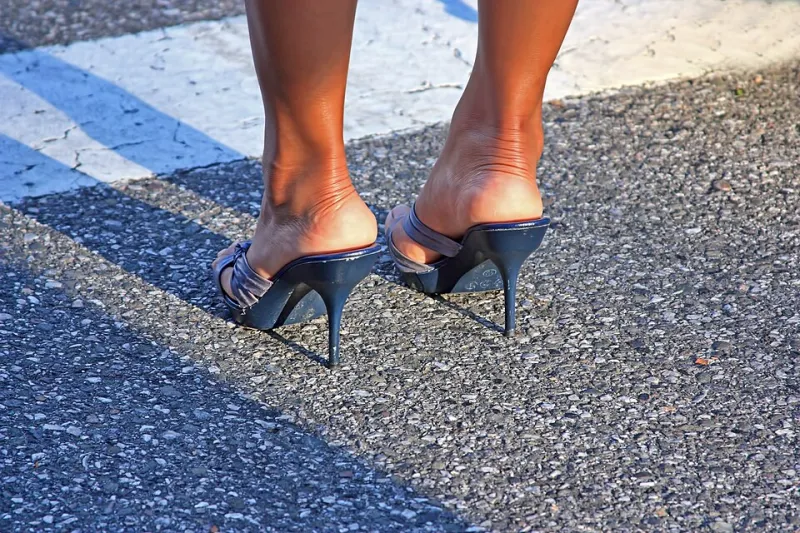
Photo: Allef Vinicius seteales, CC0, via Wikimedia Commons
You’ve done the hard part: the outfit is on, the eyeliner has held, and the night has delivered. Now comes the bit no one puts on the mood board — the ride home. The Night Tube, the N bus, the last train out of somewhere with a sticky platform and a sprint for the doors. Public transport after dark is shared space, not a runway extension. At Heels & Cleavage, we’re all for dressing like a headline and still expecting to be left alone. Those two things are not in conflict. Your outfit is not a welcome mat, and your body is not a carriage accessory.
The stare is theirs to manage
People look. That’s life. A glance is one thing; a full-body audit with a side of jaw-drop is another. You do not owe anyone a performance, a smile, or a ‘sorry, I’m just trying to get home.’ If someone is staring, you have options: meet their eye and raise a brow, turn your back, move carriage, or deploy the headphones. The classic ‘I’m not asking for feedback’ face is free.
If it tips into leering and you feel safe to speak, keep it short: ‘You’re staring. Please stop.’ No essay. No apology. If you don’t feel safe, don’t confront — move. The Quiet Carriage is not a courtroom. You are allowed to prioritise your exit over their education.
Comments, compliments and the difference
A compliment in passing — ‘love the boots’ — can be lovely. A comment that arrives with a demand attached — ‘where are you going looking like that?’ — is not a compliment. It’s a question you didn’t ask for and don’t have to answer. ‘I’m not chatting tonight’ is a complete sentence. So is ‘No thanks.’ You don’t need to soften it with ‘sorry.’ Save your apologies for when you actually bump someone with your bag.
Headphones are a boundary you can wear. So is a book, a phone call to a friend, or the thousand-yard stare of someone who has already mentally left the party. If a stranger keeps pushing, get off at the next stop and move to a busier carriage. The night can wait. Your comfort can’t.
Seats, space and not shrinking
Priority seats are for people who need them; if that’s you, take one. If it isn’t, don’t hover. On a crowded night bus, bag on lap, elbows in, but shoulders back. There’s a difference between being considerate and folding yourself into a postage stamp. If someone’s taking up more than their share of the bench, you’re allowed to ask: ‘Could I have a bit more room, please?’ That’s not rude. That’s basic carriage maths.
If you’re standing, plant your feet. Heels on a moving bus are a balance exercise, not a personality test. Hold the rail, keep your bag zipped, and don’t let anyone use the sway of the carriage as an excuse to get closer than the timetable requires. ‘Could you give me a bit of space?’ works. Say it once, clearly. You don’t need to add ‘sorry’ or explain your outfit.
Mind the gap, not the commentary
Platforms are where the audience gets bold. Someone will tell you you’re ‘brave’ for wearing what you’re wearing. Someone else will ask where your coat is. You can answer, ignore, or say ‘I’m fine, thanks.’ The TfL voice saying mind the gap is not asking you to mind everyone else’s opinions.
Heel-friendly exits matter. Know which end of the train gives you the quickest way out. Use the handrail on the escalator — yes, even if it ruins the vibe. Stand on the right, walk on the left, and don’t attempt a cobblestone sprint in stilettos unless you’ve practised. If the shoes are done, swap to flats. If the platform feels off, wait near staff or move to a busier carriage. There’s no prize for toughing it out.
When attention won’t take the hint
If someone follows you, don’t perform politeness. Go to staff, the driver, the ticket office, or a busy carriage. Sit near other people. Call a friend and say where you are. You don’t need to whisper or apologise for ‘making a fuss.’ Your safety is not an inconvenience.
If someone offers unsolicited outfit help — a tug at a zip, a hand near your hem — ‘No thanks, I’m fine’ is enough. If they persist, be louder. ‘Don’t touch me’ is not dramatic; it’s accurate. Consent doesn’t pause at the ticket barrier.
The ride home is still part of the night
Bold dressing is a joy. It’s also a choice that doesn’t come with a side order of public property. The Tube, the bus, the last train — they’re shared spaces, not stages. You can take up room, ask for space, and leave the stare behind with the confetti on the platform. Mind the gap, not the commentary. And if the carriage gets weird, remember: you’re allowed to get off, get help, and get home on your own terms.